
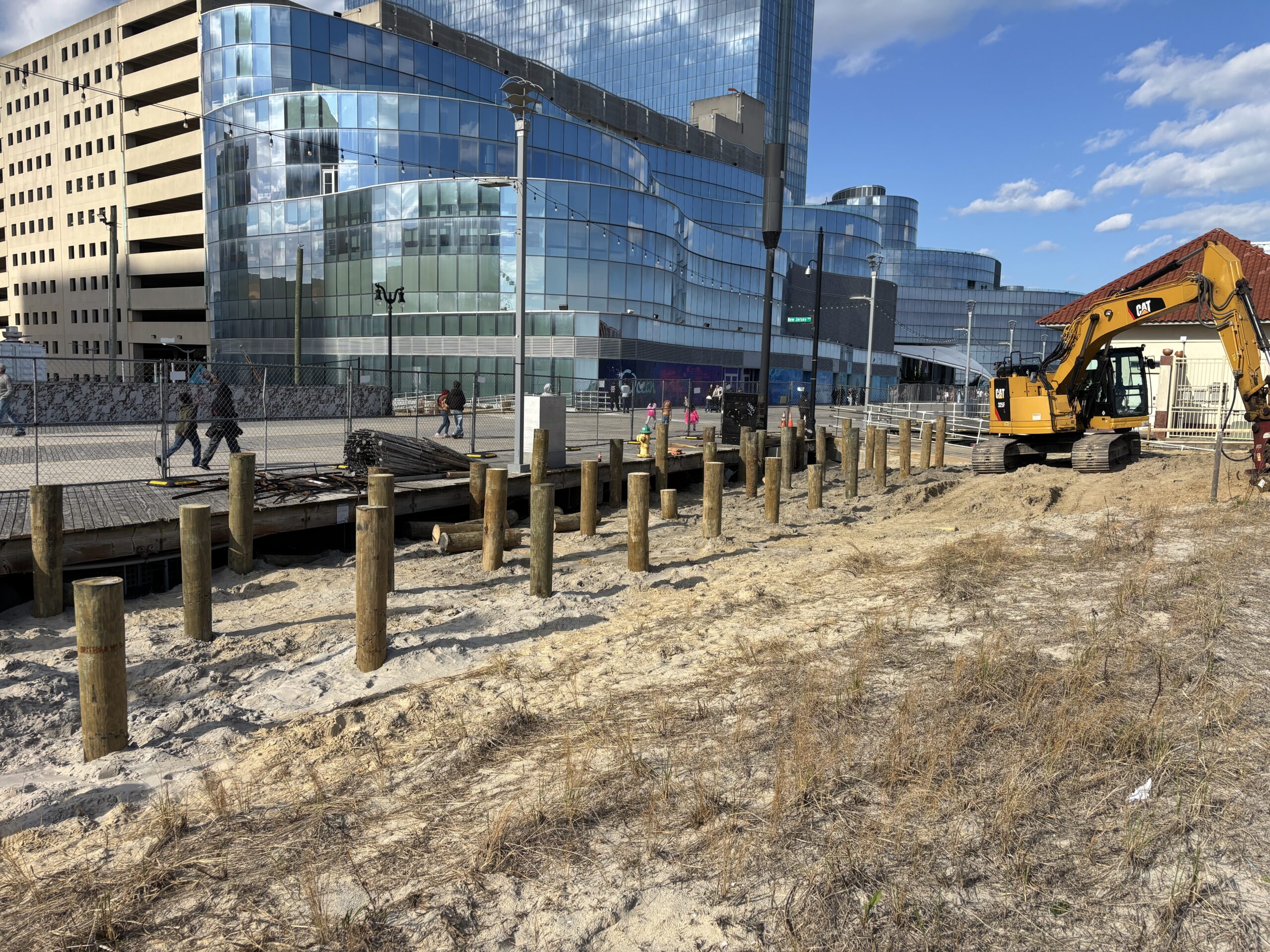
Executing deep excavations, foundation repairs, or structural relocations adjacent to active transit corridors requires precise engineering controls. Dynamic vibration from ongoing rail traffic travels through surrounding soil strata, putting lateral pressure on open cuts and neighboring structural systems. Without continuous oversight, dynamic ground movement can trigger unrecoverable foundation settlement, track misalignment, or severe wall movement.
Establishing rigorous vibration and deflection monitoring protocols keeps heavy commercial projects compliant with strict transit authority mandates while safeguarding surrounding structures. Commercial General Contractors (GCs), project managers, and estimators must deploy sensor networks, clear alert thresholds, and mitigation plans before ground disturbance begins. Partnering with a skilled trade contractor ensures your jobsite integrates real-time telemetry with a custom-engineered support of excavation (SOE) system to maintain complete ground stability across the Northeast Corridor.
Direct Impact of Rail-Induced Vibration on Adjacent Excavations
Dynamic loading from freight and passenger rail lines sends continuous stress waves through adjacent soil matrixes. Ground shaking alters soil shear strength, destabilizes open excavations, and accelerates lateral pressure against retaining structures.
Uncontrolled ground movement near transit lines risks severe derailment hazards and structural failure. Continuous tracking protects both public safety and your project’s timeline.
Core Monitoring Technologies for Heavy Infrastructure Projects
Managing geotechnical risk requires a multi-layered sensor network capable of detecting minute movements across the entire zone of influence. Deploying automated instruments ensures continuous data delivery without slowing down active field operations.
- Geophones and Triaxial Seismographs: Installed directly on nearby structures, track ballast, and SOE walls to record continuous wave energy in three dimensions.
- In-Place Inclinometers and Surface Tiltmeters: Mounted inside borehole casings and on structural components to track lateral soil movements and angular distortion in real time.
- Automated Piezometers: Measure pore-water pressure variations behind retaining structures, identifying hydrostatic buildup before it triggers lateral movement.
- Optical Survey Prisms and Robotic Total Stations (AMTS): Deliver continuous optical tracking of surface settlement points along active track alignment and surrounding foundations.
Selecting the correct sensor mix depends on soil conditions, water table depth, and structural load profiles. Customizing your array ensures maximum precision across complex commercial jobsites.
Establishing Alert Thresholds and Action Plans
Effective geotechnical monitoring relies on a strict, multi-tiered response protocol. Thresholds are defined by Peak Particle Velocity (PPV) for vibration and total horizontal or vertical displacement for deflection.
When a yellow threshold is reached, site crews must evaluate driving energy, equipment size, or excavation sequence. Crossing a red threshold requires an immediate shutdown to protect surrounding infrastructure and crew safety.
Integrating Support of Excavation with Monitoring Systems
Monitoring systems must directly link with your temporary shoring and foundation support strategies. Deep excavation support relies on robust earth retention to resist dynamic rail surcharges.
Driving structural steel pipe piles delivers the lateral load capacity required adjacent to heavily trafficked rail lines. Installing strain gauges directly onto steel piles provides early warnings of bending stress long before visible surface movement occurs. Combining load cell readings on tieback anchors with inclinometer profiles ensures the entire shoring system remains stable under cyclic loading.
Regulatory Compliance Across the Northeast Corridor
Operating along the Northeast Corridor requires strict adherence to overlapping municipal, state, and transit authority regulations. Every agency enforces unique vibration and settlement limits to protect public transit corridors.
- NJ TRANSIT and SEPTA: Enforce strict vibration thresholds—often capping PPV at 0.20 to 0.50 inches per second near active tracks.
- Amtrak Infrastructure Standards: Require pre-construction survey baselines, continuous telemetry reporting, and approved emergency response plans before ground disturbance.
- MTA and PennDOT Requirements: Mandate third-party monitoring reviews and real-time data access for agency engineers throughout driving and excavation phases.
Navigating these regulatory frameworks demands an experienced trade contractor who understands regional permitting and compliance expectations. Maintaining compliance prevents costly project shutdowns and legal liabilities.
Mitigating Excessive Vibration During Heavy Structural Operations
When monitoring data reveals rising vibration or deflection levels, field teams must immediately deploy engineering controls to stabilize the work area. Adjusting construction techniques prevents structural damage while maintaining project schedules.
- Modify Pile Installation Methods: Transition from impact hammers to high-frequency vibratory hammers or pre-drilling techniques to reduce ground wave propagation.
- Install Isolation Trenches: Excavate deep, open trenches between the work zone and sensitive structures to interrupt and damp surface vibration waves.
- Sequence Deep Excavation Cuts: Perform excavation in shorter, staged segments to minimize open-cut duration and limit lateral earth movement.
- Pre-load SOE Bracing Systems: Apply hydraulic pre-loads to walers and struts to absorb lateral earth pressures before track surcharges cause deflection.
Implementing these proactive adjustments mitigates risk and keeps heavy commercial operations moving forward safely.
Frequently Asked Questions
What Is The Maximum Acceptable Vibration Limit Near Active Rail Lines?
Most transit authorities, including Amtrak and NJ TRANSIT, restrict Peak Particle Velocity (PPV) to between 0.20 and 0.50 inches per second. Exact thresholds depend on structure age, soil profile, and proximity to track ballast.
How Does Dynamic Rail Loading Impact Temporary Support Of Excavation (SOE)?
Rail traffic introduces cyclic surcharge loads that increase lateral earth pressures against SOE walls. This continuous energy can cause tieback creep, increased wall deflection, and localized soil settlement behind the wall.
Why Are Driven Steel Pipe Piles Preferred For Deep Foundations Near Rail Infrastructure?
Driven steel pipe piles deliver high structural capacity, excellent lateral resistance, and verifiable load-bearing performance in unpredictable soil profiles. Their rigidity minimizes settlement risks under heavy dynamic loads.
Partner with a Premier Commercial Trade Contractor
Executing complex deep foundation work, support of excavation, and structural operations near active transit corridors demands uncompromising precision and rugged competence. At SJ Hauck Construction, we bring direct expertise, specialized heavy equipment, and a dedicated team culture to every commercial jobsite across New Jersey, Pennsylvania, New York, and Delaware.
Our team operates with absolute integrity, meticulous attention to detail, and respect for tight project schedules. We deliver reliable structural performance that keeps your jobsite compliant and fully protected.
Contact SJ Hauck Construction today to discuss your upcoming commercial foundation, SOE, or structural relocation project with our estimators and project management team.