
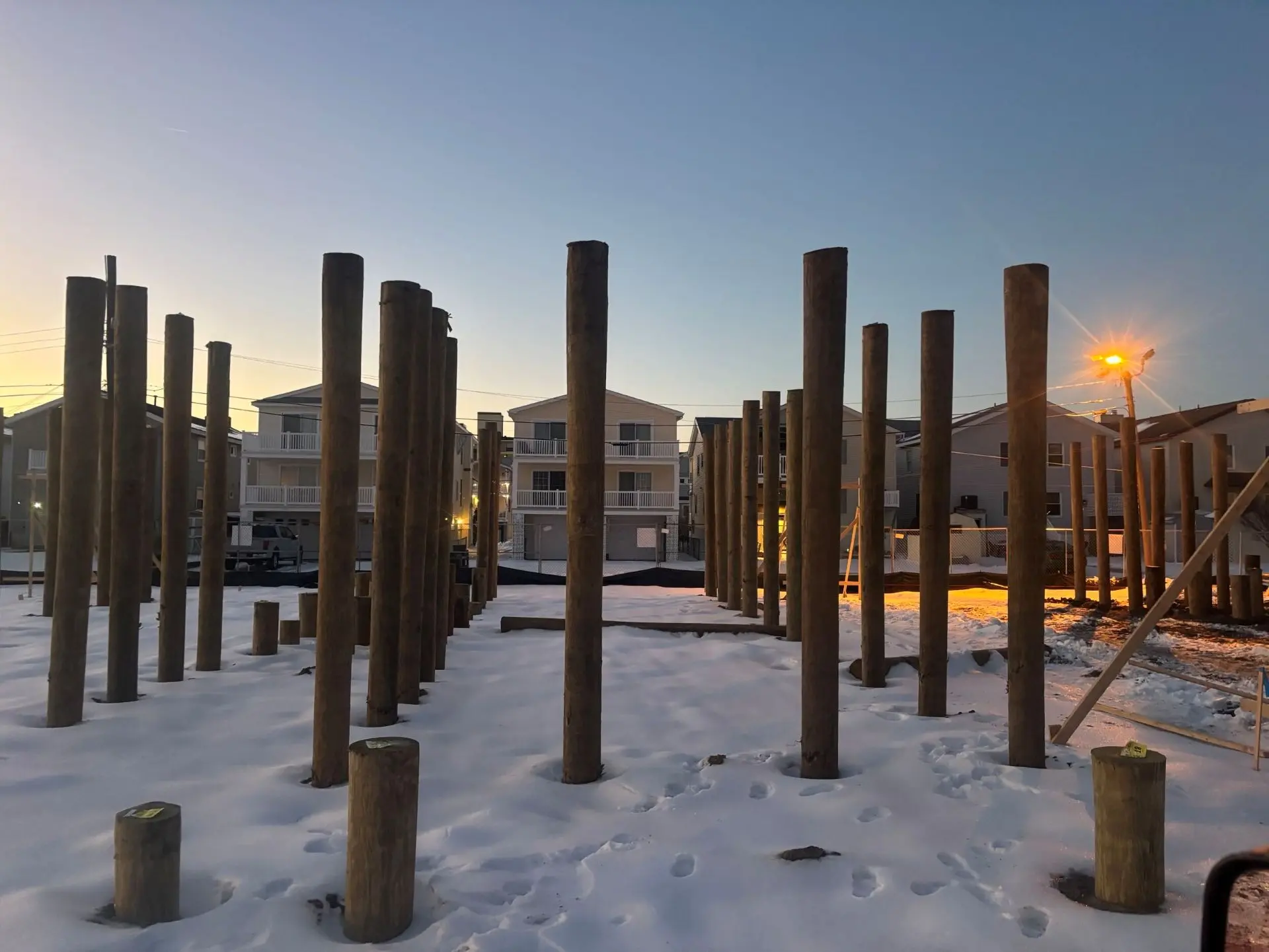
A geotechnical report is far more than a background document or a routine submittal to be skimmed before filing away. For piling and drilling specialists, it serves as the ultimate roadmap for evaluating operational risk, choosing equipment, and calculating jobsite profitability. If you want to build accurate estimates and avoid costly jobsite surprises, partnering with an experienced team for foundation piles services ensures your ground conditions match your equipment and installation methods.
Subsurface conditions directly drive every variable in a piling or drilling estimate. Factors like soil density, rock hardness, cobble content, and groundwater levels dictate the exact drilling methods, equipment torque, tooling durability, and labor hours required.
Most importantly, these ground conditions determine your daily production rates. Overlooking key details buried deep inside boring logs can quickly lead to underestimating site difficulty and carrying unexpected costs into construction
Start With the Boring Logs, Not Just the Summary
Relying solely on a geotechnical report’s executive summary is one of the most dangerous shortcuts an estimator can take. Summaries are written to give owners a high-level overview of foundation options and allowable bearing capacities. However, foundation contractors do not drill into averages; they drill into specific, highly localized layers of soil, rock, and water.
Bidders must examine the actual boring logs to understand the true physical reality of the ground. Skipping the logs often means missing thin layers of hardpan or sudden groundwater shifts that disrupt your drilling pace. Examining raw log data guarantees that your pricing reflects real subsurface obstacles rather than optimistic design generalizations.
Identify the Soil and Rock Conditions
Boring logs provide a vertical profile of the earth at discrete test locations, detailing soil classifications, moisture levels, and relative densities. Estimators must systematically analyze these logs for critical indicators that slow down drilling equipment. Understanding these parameters helps you anticipate equipment wear and rotational torque requirements.
- Standard Penetration Test (SPT) N-Values: High blow counts (N>50) indicate extremely dense sands or hard clays that slow down auger penetration and increase wear.
- Rock Quality Designation (RQD) & Compressive Strength: Low RQD indicates fractured rock that can cause hole cave-ins, while high RQD combined with high strength (>10,000psi) demands specialized core barrels.
- Transitions and Hard Strata: Identifying sudden transitions, such as soft organic silt overlaying a hard cemented layer, allows contractors to anticipate torque spikes and rig stalling.
- Spatial Variability: Comparing logs from different sides of a site reveals whether soil strata are uniform or sloping dramatically across the project footprint.
Check Depths and Changes Between Boring Locations
Subsurface conditions rarely remain perfectly horizontal or uniform across a construction site. Estimators must cross-reference multiple boring logs to build a three-dimensional mental model of the ground. Recognizing these changes early prevents major production delays once equipment mobilizes.
- Layer Elevation Shifts: Track changes in competent bearing layers to calculate accurate average pile lengths across the entire footprint.
- Equipment Matching: Identify areas where soil shifts rapidly, requiring you to mobilize multiple rig types or specialty tooling setups.
- Production Rate Adjustments: Adjust daily linear footage expectations based on specific zones rather than applying a blanket production rate to the whole site.
Translate Ground Conditions Into Drilling and Piling Requirements
Once you map the subsurface profile, you must translate that raw data into direct physical inputs for your job estimate. The goal is matching ground behavior directly with the correct machinery, site labor, and installation methods. Doing so ensures your bid covers necessary equipment modifications before work begins.
Drilling Method and Equipment
The ground dictates the machine you need to bring to the jobsite. Unstable, caving soils like wet sands or loose gravels require temporary steel casing, permanent casing, or drilling slurries to keep the shaft open. Dry, cohesive clays might allow for straightforward open-hole auger drilling.
- High-Strength Bedrock: Requires high-torque drill rigs equipped with specialized rock augers, core barrels, or down-the-hole (DTH) hammers.
- Boulders and Cobbles: Demands heavy-duty core barrels, boulder grabbers, or impact hammers to clear obstructions.
- Method Flexibility: A single drilling method may not work efficiently across the entire site if ground layers vary significantly between borings.
Production Rates and Labor
Production rates represent the single largest variable in deep foundation estimating. A rig costing thousands of dollars per day paired with a full crew yields high margins at 200 feet per day, but loses money if production drops to 40 feet per day. Accurately forecasting daily footage keeps your labor budgets aligned with real field progress.
- Increased Drilling Time: Harder formations increase drill time per foot, demanding more fuel, continuous bit replacement, and additional crew hours.
- Spoils Handling: Difficult spoils like sticky clay or crushed rock take longer to spin off augers, increasing cycle time between holes.
- Extended Overhead: Slower production stretches operator labor, site supervision, and support equipment rentals over a much longer project duration.
Need expert guidance to evaluate your site’s geotechnical constraints before bidding? Speak with the deep foundation specialists to ensure your equipment and production estimates match field conditions.
Look for the Site Conditions That Can Change Your Bid
Beyond primary soil layers, specific environmental and geologic conditions present distinct operational challenges. Identifying these subtle factors prevents bid leaks and protects your bottom line. Catching hidden risks during review keeps unexpected field change orders to a minimum.
Groundwater
Groundwater observations reported in geotechnical investigations require careful analysis before finalizing your bid numbers. Water collapsing into an uncased drilled shaft can cause sidewall erosion, wash out fresh concrete, or liquefy the base of the excavation. Evaluating water levels early dictates whether you need specialized wet-hole equipment.
- Casing and Slurry Requirements: High water tables typically require wet-hole drilling methods using full-length casing or polymer slurries to maintain stability.
- Concrete Placement: High groundwater forces crews to place concrete via a tremie pipe to displace water without washing out the mix.
- Construction vs. Investigation Levels: Water levels measured during testing can rise significantly during construction due to seasonal rainfall or tidal influences.
Obstructions and Difficult Excavation Conditions
Subsurface obstructions are major hazards for piling and drilling contractors. Geotechnical reports frequently mention upper layers of uncontrolled fill, urban debris, slag, or naturally occurring boulders. Preparing for these buried hazards prevents costly damage to expensive drill strings.
- Uncontrolled Fill & Debris: Demolition debris or old concrete foundations require heavy-duty teeth, pre-drilling, or excavator assistance to clear.
- Boulders & Nesting Cobbles: Boulders can deflect driven piles off alignment or destroy auger teeth, requiring slow coring or mechanical extraction.
- Boring Limitations: Small 2-inch test borings can pass directly next to a 4-foot boulder without detecting it, making historical site knowledge essential.
Variable or Uncertain Subsurface Conditions
When boring logs across a site show wide variations in soil strength or bedrock depth, assuming average conditions is a recipe for failure. Bidders should avoid using simple mathematical averages for drilling depths or production rates across erratic profiles. Accounting for variance protects your project margins from unexpected subsurface dips.
- Avoid Single Averages: Calculate production based on realistic worst-case and best-case zones within the site footprint.
- Tooling Reserves: Budget for extra consumable bits, core teeth, and wear plates when ground consistency is uncertain.
- Avoid Arbitrary Contingency: Build specific cost items for casing or pre-drilling rather than adding a random percentage markup to the final bid price.
Use the Geotechnical Recommendations to Check Your Scope and Pricing
The engineering recommendations section of a geotechnical report outlines designer expectations and construction parameters. Contractors must cross-check these recommendations directly against project drawings, specifications, and their proposed installation methods. Verifying these details aligns your proposal with actual engineering constraints.
Pile or Shaft Installation Requirements
The geotechnical recommendations state minimum pile embedment depths, required socket depths into rock, driving criteria, or target tip elevations. Bidders must verify that the structural drawings match these parameters. Resolving conflicts prior to bid submission prevents scope disputes after contract award.
- Capacity vs. Depth: Verify whether contract drawing depths match the geotechnical engineer’s required bearing strata.
- Cleanout Tolerances: Check if the engineer specifies strict bottom-cleanout tolerances (e.g., under 0.5 inches of sediment) requiring specialized cleanout buckets.
- Discrepancy Flags: Flag conflicts early, such as plans specifying 40-foot driven piles where bedrock sits at 25 feet, to resolve scope before bidding.
Construction Considerations and Limitations
Geotechnical reports often include specific construction considerations that directly mandate operational expenses. Identifying these items early ensures you do not leave required work out of your estimate. Factoring in owner-mandated restrictions keeps your operational schedule realistic.
- Mandatory Steel Casing: Inclusion of mandatory casing increases equipment freight, casing rental fees, and twister attachments.
- Vibration Limitations: Projects near historic structures may mandate pre-drilling driven piles, low-vibration rigs, and seismic monitoring.
- Inspector Approvals: Recommendations requiring engineering inspection of rock sockets create standby time between drilling and concrete pours.
FAQs About Using Geotechnical Reports for Piling and Drilling Bids
Which Parts Of A Geotechnical Report Matter Most When Pricing Piling Work?
The individual boring logs, subsurface profiles, groundwater level measurements, and construction recommendation sections matter most. Boring logs reveal layer-by-layer soil density (SPT N-values), rock quality (RQD), and material consistency. The recommendation sections outline required driving equipment, pre-drilling rules, and structural bearing depths.
How Can Soil Conditions Affect A Drilling Bid?
Soil conditions determine required drill rig size, rotational torque, and specialized tooling needed for the jobsite. Dense sands or hard clays slow penetration rates and wear down teeth rapidly. Loose sands or high groundwater require casing or slurries, directly impacting daily production rates, crew hours, fuel usage, and equipment freight expenses.
Should Groundwater Be Included In A Piling Or Drilling Bid?
Yes, groundwater conditions should always be accounted for in your bid pricing. Reported water levels dictate whether a shaft can be drilled dry or requires wet-hole techniques, such as temporary steel casing, polymer slurries, or tremie concrete placement. Ignoring groundwater leads to hole collapse, concrete contamination, and unrecoverable site expenses.
Read the Ground Before You Price the Work
An accurate piling or drilling bid depends on translating geotechnical raw data into operational jobsite realities. Winning profitable work requires going beyond high-level executive summaries to analyze boring logs, evaluate groundwater levels, calculate equipment production, and identify obstructions before rigs arrive on site. Thoroughly reading between the boring logs remains the most effective way for foundation contractors to protect bid accuracy, safeguard project margins, and eliminate costly subsurface surprises.
Ready to ensure your next deep foundation project is priced accurately and built on solid ground? Contact SJ Hauck Construction today to speak with our deep foundation and drilling specialists about your upcoming project requirements.