
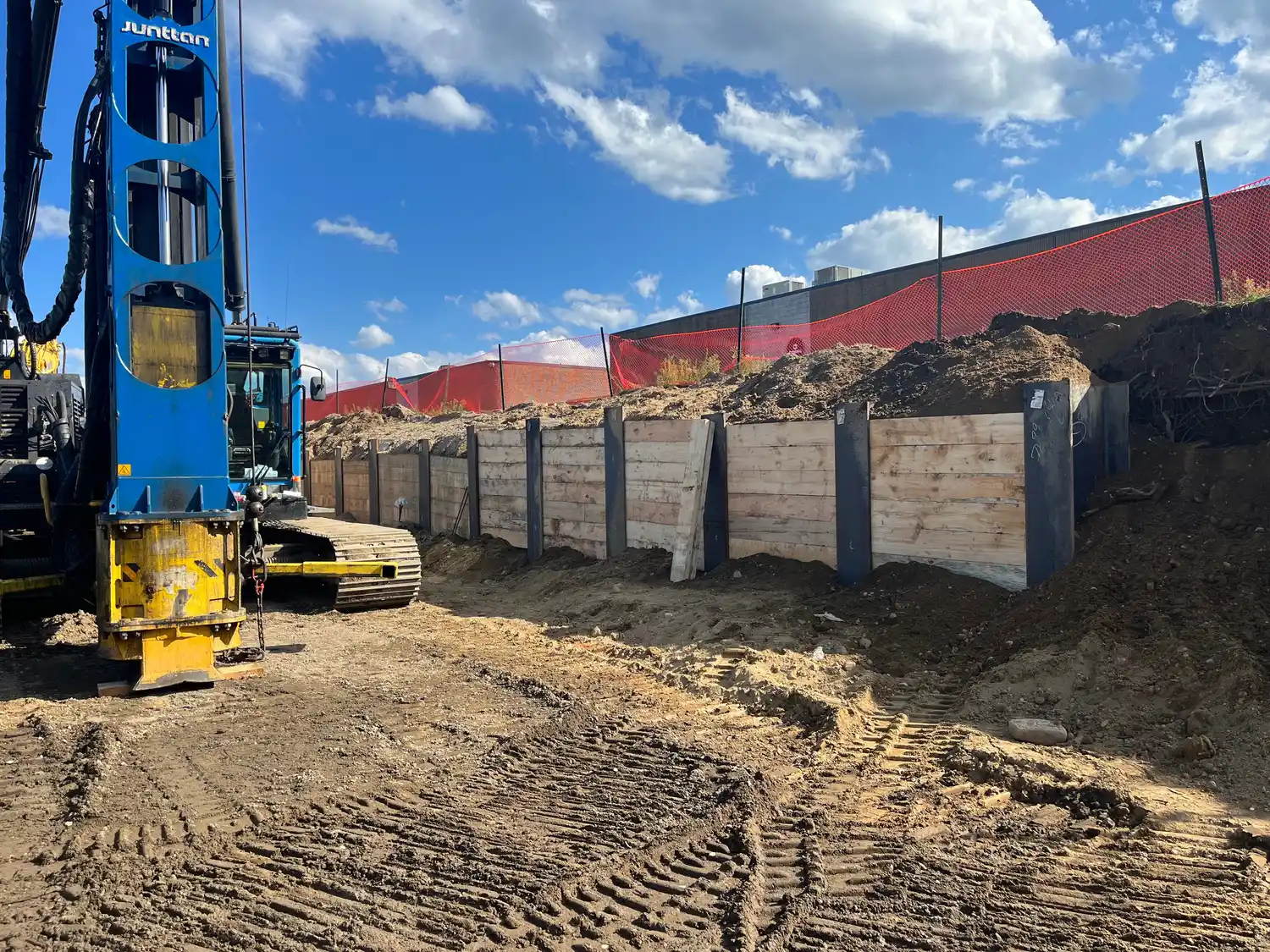
Overview: Why SOE and Underpinning Are Suddenly Under the Microscope
New York City’s Support of Excavation (SOE) and underpinning work has always carried high technical and legal risk. In 2025, the NYC Department of Buildings (DOB) raised the stakes further by tightening how these projects are reviewed.
Two key developments:
- Buildings Bulletin 2025-005 (issued June 3, 2025) revises the Professional Certification Program and explicitly removes Support of Excavation and Underpinning applications from the list of filings that can be professionally certified, effective July 1, 2025.
- DOB NOW: Build release notes and industry summaries echo the point: no Pro-Cert filings allowed for SOE or foundation jobs with underpinning subcategories as of mid-2025.
For developers, general contractors, and specialty support-of-excavation firms, this is a meaningful shift in review, approval timelines, and risk allocation.
The Professional Certification Crackdown: What Changed?
- Since the 1990s, NYC’s Professional Certification Program has allowed registered design professionals (PEs and RAs) to self-certify that plans comply with codes and zoning, allowing DOB to accept many applications with limited pre-approval review. Buildings Bulletin 2025-005 keeps the program but narrows what can be filed under it:
- It lists categories of work ineligible for professional certification, including subdivisions, certain demolitions, and work related to Board of Standards and Appeals approvals.
- Crucially, it adds that as of July 1, 2025, Support of Excavation (SOE) and Underpinning applications cannot be professionally certified.
Practically, that means:
- Every SOE and underpinning job now requires DOB plan examination and approval, not just sign-off by the design professional.
- The Department retains full authority to audit, object to, or revoke approvals based on its own review, not only post-certification audits.
DOB’s broader messaging has made clear that this is part of a larger effort to address excavation-related incidents and safety concerns, especially near occupied structures and “major building” sites.
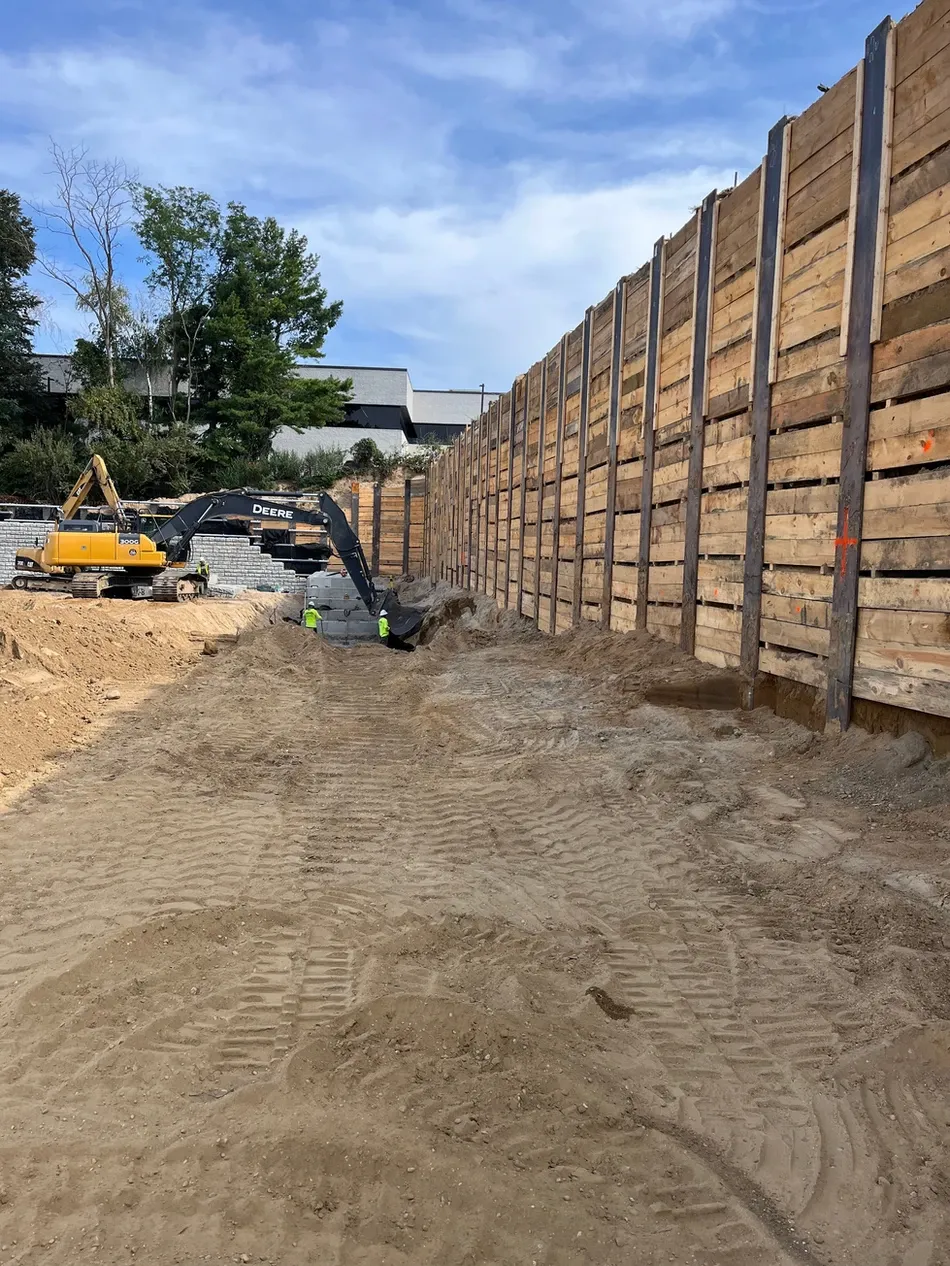
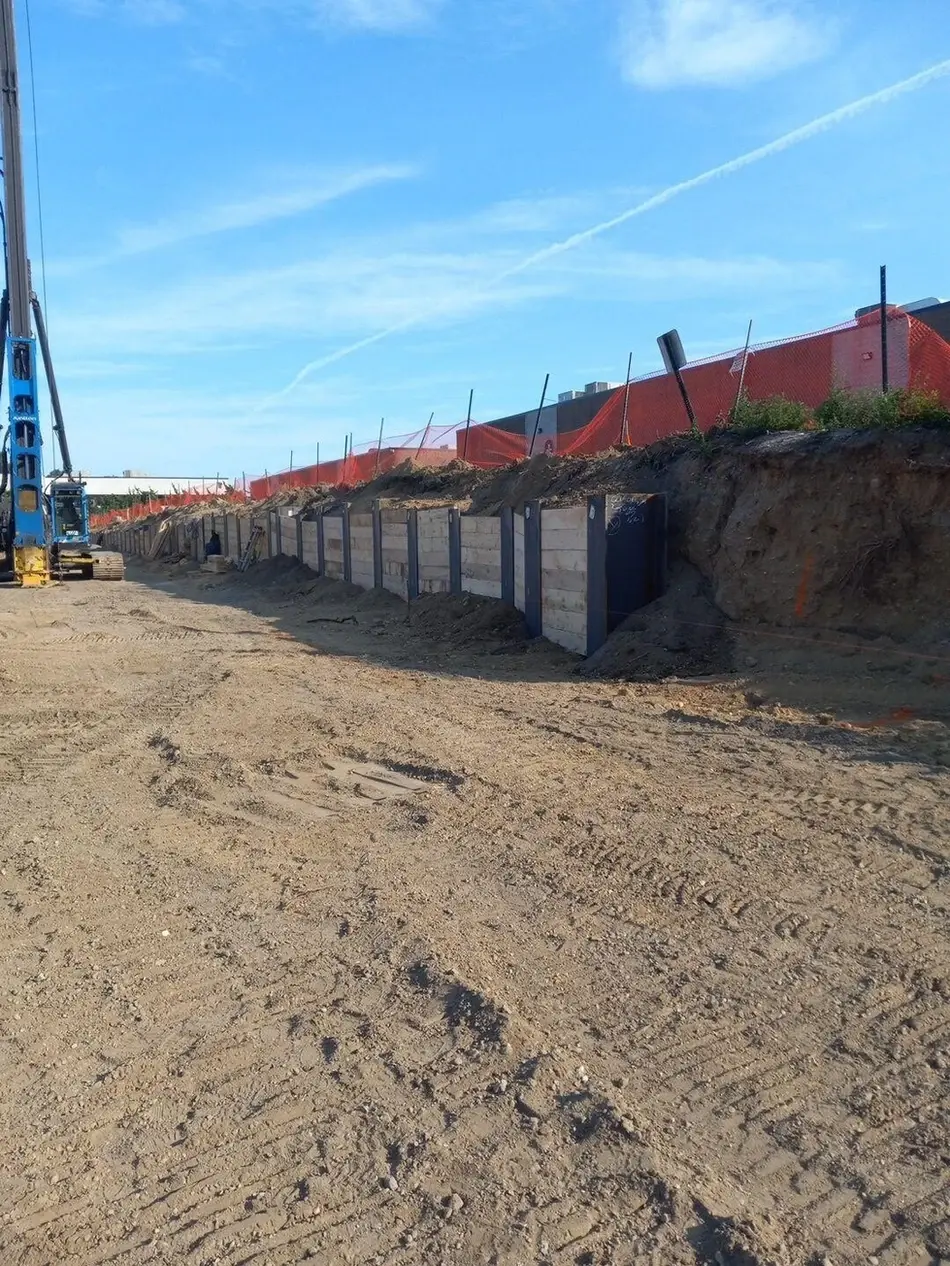
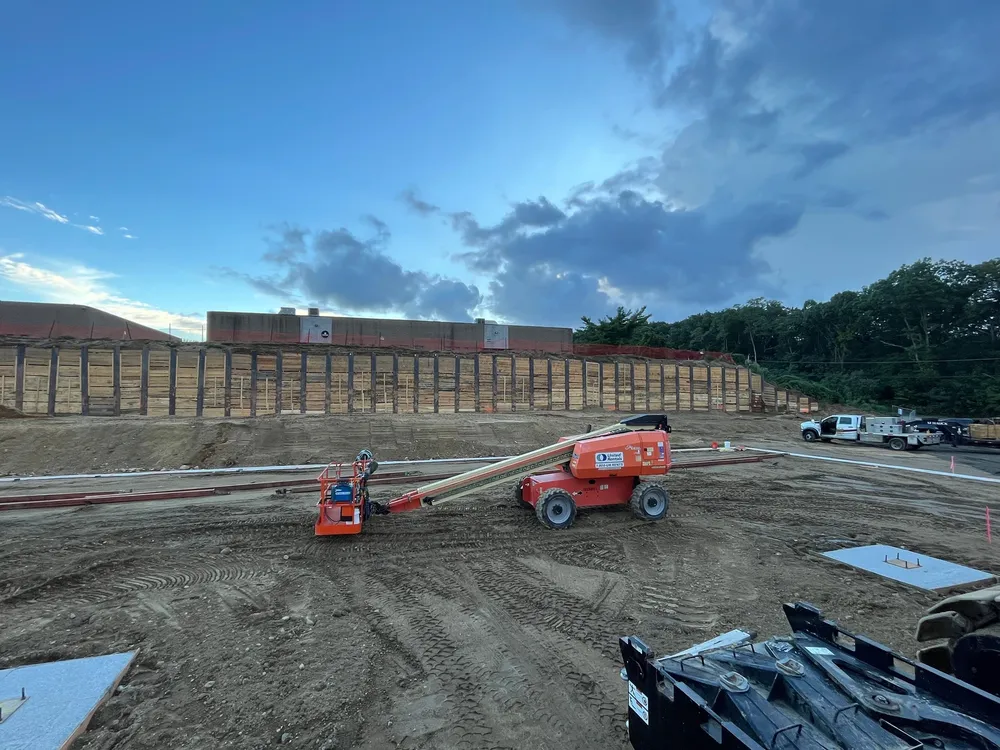
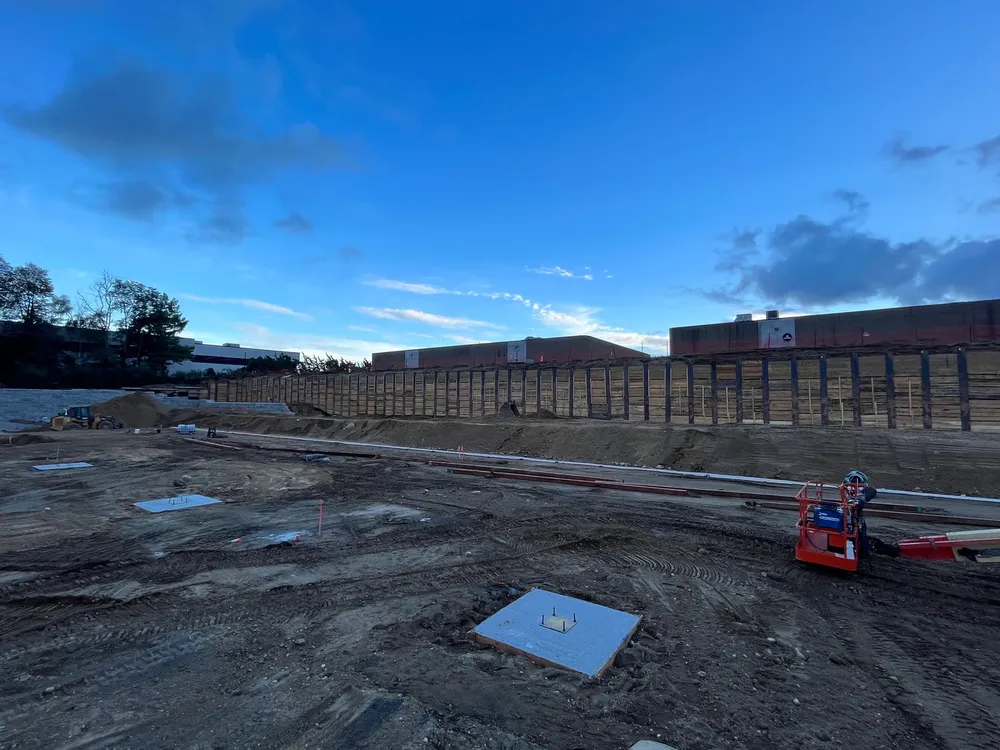
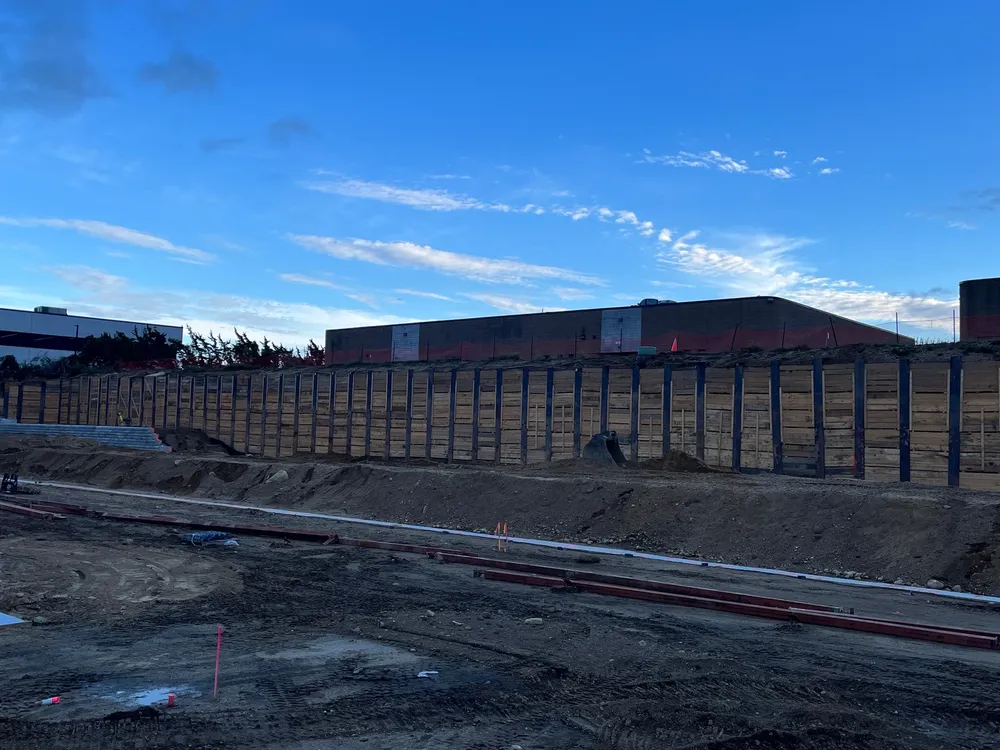
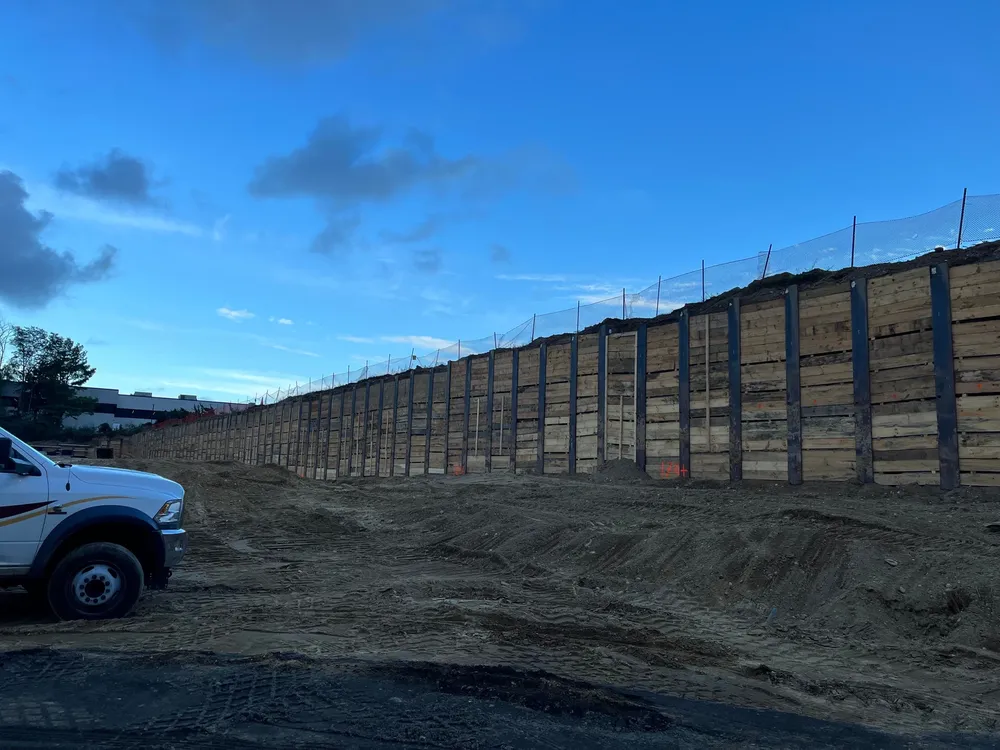
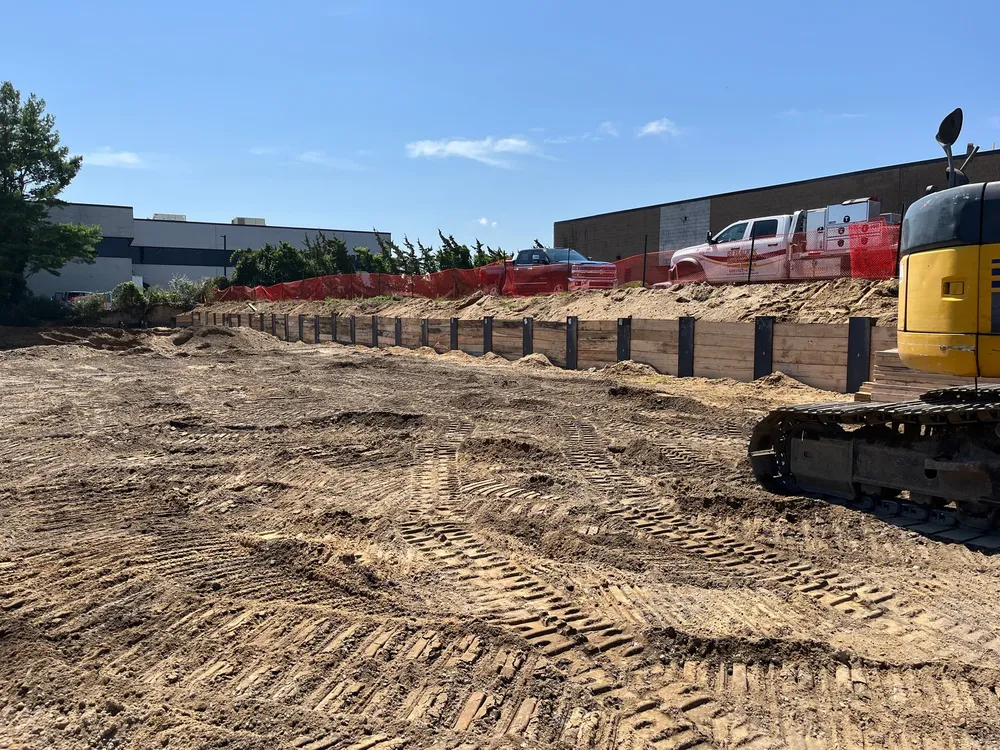
Why DOB Is Focusing on Support Of Excavation and Underpinning
Several factors underpin this policy shift:
- High-Consequence FailuresSOE and underpinning failures can lead to partial collapses, adjacent-building damage, and serious injuries, often in dense neighborhoods. NYC’s building code already requires special inspections for underpinning and alternate support methods.
- Complexity and Field VariabilitySOE designs are sensitive to subsurface conditions, staging, and construction sequencing. Deviations from planned support systems, even if seemingly minor, can have outsized impacts.
- Experience With Past Misuse of Pro-CertOver the years, DOB has tightened professional certification multiple times where it saw patterned non-compliance or high-risk categories being pushed through with limited review. 2025-005 explicitly supersedes earlier Pro-Cert bulletins.
In short, the Department is signaling: SOE and underpinning are too risky to trust solely to self-certification.
Key Operational Impacts for Industry 1. Longer and More Formal Plan Reviews
With SOE and underpinning filings ineligible for Pro-Cert, design teams must budget for full DOB review:
- Expect more iterations and formal objections before approval on complex sites.
- Plan ahead for review time in schedules; compressed timelines with late SOE submittals will be harder to achieve without risk to start dates.2. Higher Expectations for Documentation and CoordinationBecause DOB staff are now directly reviewing SOE and underpinning applications:
- Drawings must clearly show phasing, sequencing, adjacent-structure conditions,support systems, and monitoring plans.
- Coordination between architectural, structural, geotechnical, and SOE specialty teams will be scrutinized; inconsistent sets are more likely to trigger objections and delays.3. Stronger Link Between SOE and Site Safety RegimesParallel regulatory work in NYC has tightened definitions and requirements for “majorbuildings” and construction safety oversight. Developers should expect that:
- Deep excavations and underpinning will be strongly associated with heightened site-safety and inspection requirements.
- Failure to align SOE practice with approved plans can lead not just to standard violations, but to permit revocations and stop-work orders under the enforcement framework laid out in 2025-005.
Strategic Responses for Developers, GCs, and SOE Contractors
1. Engage SOE Expertise Earlier
Given the loss of Pro-Cert shortcuts, treating SOE as an afterthought is now a direct risk to schedule and approvals.
Best practices:
- Bring in SOE and underpinning specialists during schematic and early design, not just during means-and-methods planning.
- Align geotechnical investigations with expected SOE strategies so the design is credible to DOB reviewers.
2. Design for Reviewability, Not Just Constructability
DOB reviewers will scrutinize:
- Global and local stability of excavation systems
- Impacts on adjacent structures and property lines
- Sequencing of excavation, bracing, and underpinning
- Provisions for monitoring and contingency actionsSOE drawings that read like internal shop sketches will struggle. Teams should:
- Produce clear, code-referenced design narratives tied to NYC Building Coderequirements and special inspection provisions.
- Ensure consistent information across SOE, structural, and architectural sheets.
3. Anticipate Audits and Enforcement
Buildings Bulletin 2025-005 reiterates that professionally certified applications are subject to zoning, program, and targeted audits—and although SOE is no longer eligible for Pro-Cert, the same culture of post-approval enforcement applies to all high-risk work.
Developers and GCs should:
- Treat DOB approvals as live commitments, not paperwork to be adjusted casually in the field.
- Maintain documentation of field conditions, monitoring results, and as-built deviations in anticipation of questions or inspections.
What This Means for a Specialized SOE / Underpinning Partner
In the new regime, the value of a competent SOE and underpinning partner is not just in building the shoring, but in helping the project:
- Navigate DOB review with defensible, well-documented designs
- Integrate SOE strategy into the overall risk management and site-safety plan
- React quickly to unforeseen field conditions without drifting away from approved design bases or triggering compliance issuesPractical differentiators now include:
- Demonstrated familiarity with 2025-005 and related DOB guidance
- Ability to collaborate with design professionals on code-aligned SOE submittals
- Experience on sites with sensitive adjacencies, deep excavations, and complex phasing
Takeaways
For New York City projects involving excavation and underpinning, the 2025 rule changes boil down to three messages:
- No more Pro-Cert short-cuts for SOE and underpinning. Every job goes through full DOB review.
- Documentation quality and interdisciplinary coordination are now front-line risk controls, not nice-to-haves.
- Developers and GCs who treat SOE as a strategic package—design + permitting + execution—will manage schedule and regulatory risk far better than teams that bolt it on late.
Why S.J. Hauck Is Built for the New NYC SOE Environment
In a city where excavation mistakes carry real structural and regulatory consequences, the firms that will thrive under DOB’s 2025 rules are the ones that already treat compliance, coordination, and documentation as core competencies—not afterthoughts.
S.J. Hauck operates in that space every day.
Our teams are used to working in tightly constrained sites, around occupied structures, under intense scrutiny from owners, engineers, and inspectors. We understand that a support-of-excavation plan is not just a set of shoring drawings; it is a risk management document that needs to stand up to DOB review, field conditions, and long-term performance.
By combining:
- Deep field experience in SOE and underpinning across the region,
- Tight integration with structural and geotechnical design professionals, and
- A process built around clear, code-aligned submittals and meticulous as-built documentation,
S.J. Hauck is positioned as a go-to partner for excavation and underpinning in the post–2025 DOB landscape. If your project involves complex adjacencies, deep cuts, or high public visibility, you don’t just need an SOE contractor—you need one that understands how New York’s new rules actually work in practice.
That’s where we lead.